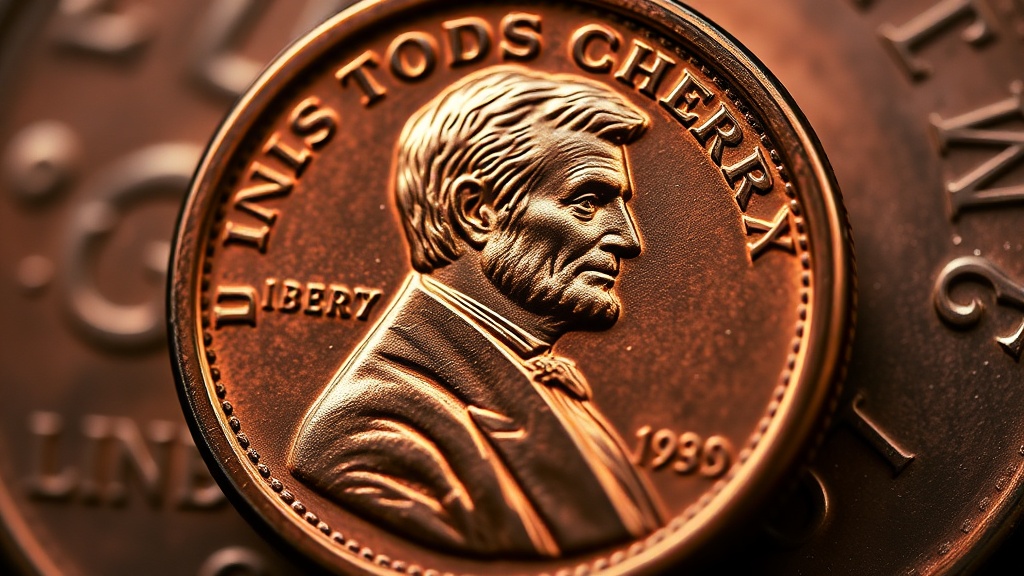
8 Lincoln Wheat Pennies Still Found in Circulation Today

1909-S VDB Lincoln Wheat Penny
1914-D Lincoln Wheat Penny
1922 Plain Lincoln Wheat Penny
1931-S Lincoln Wheat Penny
1955 Double Die Lincoln Wheat Penny
What You'll Learn From This Guide
This post covers eight Lincoln Wheat Pennies that remain in circulation today—and why finding them matters. These copper coins, minted from 1909 to 1958, carry more than face value. Some are worth dollars. Others fetch hundreds. The best part? They're still out there in pocket change, bank rolls, and inherited collections waiting to be discovered.
Why Are Lincoln Wheat Pennies Still Found Today?
Millions remain in circulation because the U.S. Mint produced billions over nearly 50 years. Banks didn't pull them aggressively when the Lincoln Memorial design replaced Wheaties in 1959. People stuffed them in jars. Forgotten. Passed down. Eventually, they trickled back into circulation through estate sales, coin jar dumps at grocery stores, and casual spending.
Wheat pennies also benefit from their copper content—95% copper until 1982. Even common dates fetch 2–3 cents for melt value alone. That said, most collectors hunt for specific dates, mint marks, and conditions that push values far higher.
What Years of Wheat Pennies Should You Look For?
Certain years stand out. The 1909-S VDB and 1914-D are legendary keys, but they're not "still found in circulation" material anymore. This guide focuses on dates you might realistically encounter—coins that turn up in rolls, at flea markets, or in that coffee can from Grandpa's basement.
1. 1943 Steel Cent (Any Mint)
The 1943 steel penny represents the most visually distinctive Wheatie you'll encounter. Zinc-coated steel. Magnetic. Gray instead of copper brown. The U.S. Mint switched to steel to conserve copper for World War II ammunition production.
Over one billion were struck across Philadelphia (no mint mark), Denver (D), and San Francisco (S). Most are common. Most are worth 10–50 cents in circulated condition. Here's the catch—uncirculated specimens with full luster command $5–$10. And 1943 copper cents (struck in error) are worth six figures, though you're not finding those in change.
Realistic finds: 1943 Philadelphia in decent shape for 25 cents. 1943-S with full details for $1–$2.
2. 1944–1946 Copper Cents
Post-war copper returns. These years mark the transition back to 95% copper after the steel experiment. Mintages were enormous—well over a billion for 1944 alone. Common circulated examples trade for 3–5 cents.
What makes them worth hunting? The 1944-D over S variety (Denver mint mark punched over San Francisco). It's subtle. You'll need a 5x loupe—the SE MJ3801C 10x Loupe runs about $8 and handles the job. The variety adds $20–$50 to a coin's value in circulated grades.
Also watch for 1946 doubled die obverse. Strong doubling in "LIBERTY" and the date. Worth $50+ when authenticated.
3. 1955 Doubled Die Obverse
The king of modern die varieties. 1955 DDO pennies show dramatic doubling in the date, "LIBERTY," and "IN GOD WE TRUST." It's visible without magnification—thick, shadow-like secondary images.
Here's the thing: genuine 1955 doubled dies start around $1,000 in low grades. You're not finding these weekly. But they're still discovered in unattributed collections, mixed rolls from estate sales, and inherited accumulations. In 2023, a Michigan collector found one in a $50 bag of Wheaties from an auction.
Counterfeits exist. Machine doubling (worthless) mimics true doubled dies. Study diagnostic images at Variety Vista before celebrating.
4. 1920s Common Dates (1920, 1924, 1925, 1926)
These aren't rare. They're available. And that's exactly why they matter for circulation finds. A 1925 Philadelphia cent in Fine condition trades for $1–$2. In bank rolls, they appear more often than you'd expect.
The value proposition: old copper with history. The 1920s marked the Roaring Twenties, Prohibition, and the height of Wheat penny production. Common dates from this decade give collectors affordable entry points—and genuine 100-year-old coins for pocket change prices.
Condition matters. A 1920 with full wheat lines on the reverse commands premium. Worn smooth examples? Face value plus copper premium.
5. 1930s Depression-Era Cents
Economic hardship reduced mintages. 1931-S saw just 866,000 struck—the lowest San Francisco mintage in the entire series. It's a key date worth $50+ even in lower grades.
Other 1930s dates offer better odds:
- 1934–1939 Philadelphia issues: Common, but 85+ years old. Worth 10–25 cents each.
- 1937-D Three-Legged variety: Die polishing removed one leg from the buffalo—wait, wrong series. Wrong coin. Don't chase ghosts.
- 1936 proof cents: Mirror surfaces, sharp strikes. Extremely rare in circulation (5,569 made), but they've surfaced before.
The 1930s produced coins with character. Weak strikes. Die cracks. Laminations. These imperfections become collectibles.
6. 1910s High-Mintage Dates
1910 through 1919 offers the oldest realistic circulation finds. Philadelphia mintages exceeded 100 million most years. Denver and San Francisco issues ran lower—sometimes much lower.
Standouts from this decade:
- 1911-S: 4.2 million struck. $20–$40 in circulated grades.
- 1914-S: Not the rare 1914-D, but still scarce. $10–$20.
- 1917 doubled die obverse: Moderate doubling. $100+ when certified.
These coins spent decades circulating. Many wore to smooth disks. But examples with partial wheat lines, clear dates, and original color still trade actively at coin shows and online.
7. 1950s Mint State Survivors
The 1950s produced billions of cents. Common dates—worthless, right? Not exactly. Uncirculated rolls from the 1950s remain available. Individual gems hide in accumulation lots.
Here's why they matter: Red BU (Brilliant Uncirculated) 1950s cents earn premiums. A 1955 Philadelphia cent graded MS-65 Red sells for $10–$15. Common? Yes. But finding cherry-red luster in a junk box feels like victory.
Also watch for 1958—the final Wheat penny year. Both Philadelphia and Denver issues carry sentimental value. Uncirculated specimens trade for $1–$3. Not retirement money. Satisfaction money.
8. 1909 VDB (Philadelphia)
The first Lincoln cent. Victor David Brenner's initials (VDB) appeared on the reverse—prominently. Public outcry forced their removal. San Francisco VDBs (1909-S) are legendary rarities ($500+).
But Philadelphia's 1909 VDB? 27.9 million struck. Circulated examples surface regularly. Value: $5–$15 depending on condition. Worth noting—the 1909 without VDB runs cheaper ($3–$8), but both carry historical weight as the series opener.
Any 1909 in circulation deserves attention. It's 115+ years old. Survived two world wars. The Great Depression. Countless pockets.
What Are Lincoln Wheat Pennies Worth in Circulated Condition?
Values range from melt (2–3 cents) to thousands for varieties. Most finds fall between 10 cents and $5. Here's a realistic breakdown:
| Coin | Good/VG | Fine/VF | EF/AU | MS-60+ |
|---|---|---|---|---|
| 1943 Steel (P/D/S) | $0.10–$0.25 | $0.50–$1 | $2–$5 | $10–$30 |
| 1944–1946 Copper (common) | $0.05 | $0.10 | $0.25–$0.50 | $2–$5 |
| 1920s Common Dates | $0.25–$0.50 | $1–$2 | $3–$8 | $15–$40 |
| 1930s Common Dates | $0.15–$0.30 | $0.50–$1 | $2–$5 | $10–$25 |
| 1910s Common Dates | $0.50–$1 | $2–$5 | $8–$20 | $40–$100+ |
| 1909 VDB (Philadelphia) | $5–$8 | $10–$15 | $20–$35 | $75–$150 |
| 1955 Doubled Die | $1,000+ | $1,500+ | $2,500+ | $5,000+ |
These prices reflect retail values—what you might pay from a dealer. Selling prices run 50–70% of these figures unless you have direct collector access.
Where Should You Search for Wheat Pennies?
Bank rolls remain the most productive hunting ground. Ask for customer-wrapped rolls (CWRs) rather than machine-wrapped. Older coins tend to concentrate in hand-rolled batches from estate liquidations.
Flea markets and garage sales offer opportunities—often in coffee cans, mason jars, or old Whitman folders. The Whitman Lincoln Cent Folder (No. 9001) costs under $5 and organizes dates beautifully.
CoinStar machines produce reject trays filled with copper cents, Canadians, and occasional Wheaties. Check those trays—legally, they're abandoned property at most grocery locations.
eBay "junk lots" and unattributed estate collections turn up Wheaties at 5–10 cents each in bulk. The work is sorting. The reward is cherrypicking.
How Do You Authenticate and Grade Your Finds?
Start with the basics: date, mint mark, and condition. A 5x or 10x loupe reveals details invisible to naked eyes. Look for full rims, clear dates, and separation between Lincoln's bust and the rim.
For valuable varieties (1955 DDO, 1944-D over S), submit to PCGS or NGC when value exceeds $100. Authentication costs $20–$50 but protects against counterfeits and establishes resale value.
Storage matters. PVC flips damage copper over time. Use Mylar flips or cardboard 2x2 holders. Store in cool, dry environments. Copper tones naturally—rainbow toning adds value; black or green corrosion destroys it.
"The wheat penny you find today was spent by someone decades ago. That connection—holding history in your palm—is worth more than the copper content." — Anonymous collector
Happy hunting. Check those dates carefully.