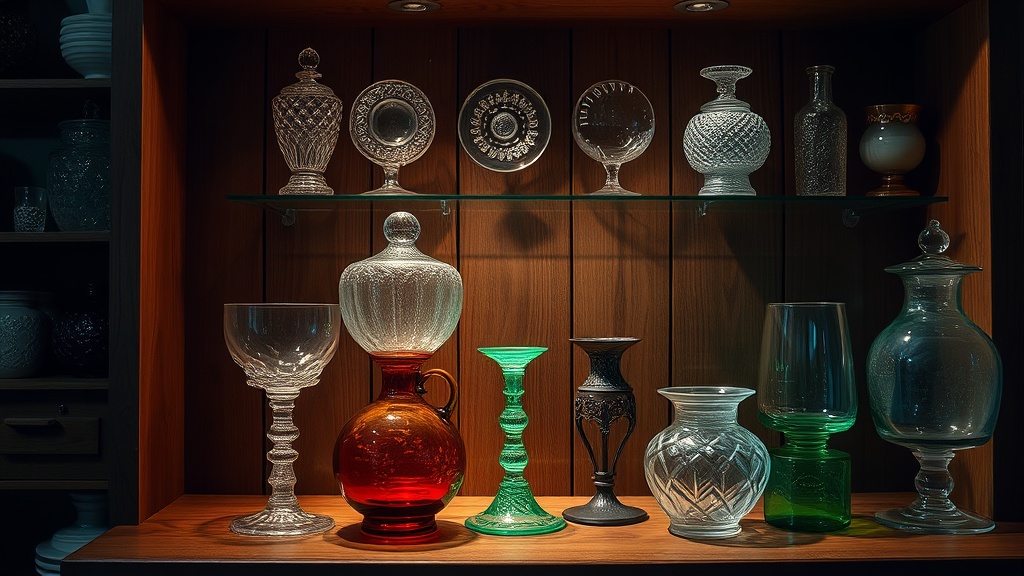
Building a Reliable Display for Your Antique Glass and Ceramics

A Single Vibration Can Shatter Decades of History
A single heavy footfall or a poorly placed shelf can end a collector's pursuit in a fraction of a second. While most people focus on the hunt, the real work begins once the item is actually in your possession. This guide covers the structural requirements for displaying antique bottles, ceramics, and small glass collectibles. We'll look at weight distribution, light exposure, and how to prevent the accidental breakage that often plagues even seasoned collectors.
When you're dealing with unevenly weighted objects—like a heavy stoneware crock or a top-heavy antique soda bottle—the way you present them matters. It isn't just about aesthetics; it's about physics. If you don't account for the center of gravity, your display is essentially a ticking time bomb. We'll explore the best ways to keep these items stable and visible without risking their integrity.
What Kind of Lighting is Safe for Antique Glass?
Light is a silent thief. While glass and ceramics are more resilient than paper or textiles, certain types of light can cause subtle, permanent changes. High-intensity UV rays can actually affect the chemical stability of certain glass-making processes or even fade any applied labels or markings. If you're using a display case, you need to be mindful of the heat generated by the bulbs.
Standard LED bulbs are a great choice because they produce very little heat and lack the UV radiation found in older incandescent or halogen models. However, even with LEDs, you shouldn't place a light source directly against the glass. Heat buildup in a closed cabinet can create an oven-like environment—a phenomenon that can lead to stress fractures in older, more fragile glass. If you want to see the depth of your collection, use diffused light rather than a direct spotlight.
For more technical details on light wavelengths and their effects on materials, you can check out the resources at the Library of Congress, which provides extensive documentation on material preservation. Avoiding direct sunlight is also a non-negotiable rule. Even if your display is in a shaded corner, a sudden shift in light intensity can cause thermal shock to a piece that has been sitting in a stable temperature for years.
How Do You Organize Small Collectibles Without Overcrowding?
The biggest mistake I see in home collections is the "clutter trap." People often feel that a full shelf looks better, but overcrowding is actually dangerous. When items touch, they rub against each other. In the world of antique glass, this leads to "shelf wear" or micro-scratches that can significantly lower the value of a piece. A bottle that leans against a ceramic jar might eventually cause a crack in the bottle's neck due to constant pressure.
- Use Acrylic Risers: These help create different levels so you can see every item without them being packed tightly together.
- Incorporate Dividers: For smaller items like metal caps or tokens, use modular dividers to keep them from rolling into one another.
- The Three-Inch Rule: Try to leave at least an inch or two of space between your most fragile items.
If you're organizing a collection of small items, like metal caps or tokens, a flat tray is often better than a crowded shelf. This allows you to lift the entire tray out to inspect a specific piece without having to dig through a pile of other objects. This simple change prevents the accidental scratching that occurs when you move things around in a cramped space.
Can I Use Museum Wax for Stability?
Many collectors ask about using adhesives or waxes to keep their bottles upright. Museum-grade-wax (often called "museum putty") is a fantastic tool, but it must be used with caution. This substance is designed to be non-reactive, meaning it won't leave a permanent residue or damage the surface of your antique. It is perfect for securing a top-heavy bottle to a display base.
However, you should never use standard blue mounting putty or any household adhesive. These can leave oily stains on porous ceramics or even eat into the surface of older glass over time. If you're using wax, apply a tiny amount to the base of the item—not the item itself—and ensure the surface it's sticking to is clean and dry. This is especially important if you're displaying items on a glass shelf, where any slip could result in a catastrophic fall.
For those serious about material science and preservation, the Library of Congress preservation guides offer deep insights into how different substances interact with historical artifacts. Using the right materials for stability ensures that your display is both beautiful and safe.
A Checklist for Your Display Setup
Before you set your latest find on the shelf, run through this quick checklist. It'll save you from many headaches down the road. First, check the stability of the shelf itself. Is it bowing under the weight of your ceramics? Second, check the lighting. Is there any way a bulb could touch the glass? Third, check the spacing. Are your items breathing, or are they fighting for space? If you can answer these with confidence, your collection is ready for its new home.
Finally, consider the vibration factor. If your display shelf is attached to a wall that shares a side with a heavy-traffic hallway or a laundry room, the constant micro-vibrations can eventually cause items to migrate toward the edge. Using a non-slip shelf liner under your display can mitigate this risk, providing a soft buffer between the object and the hard surface. This is a simple, low-cost way to add a layer of protection to your collection.