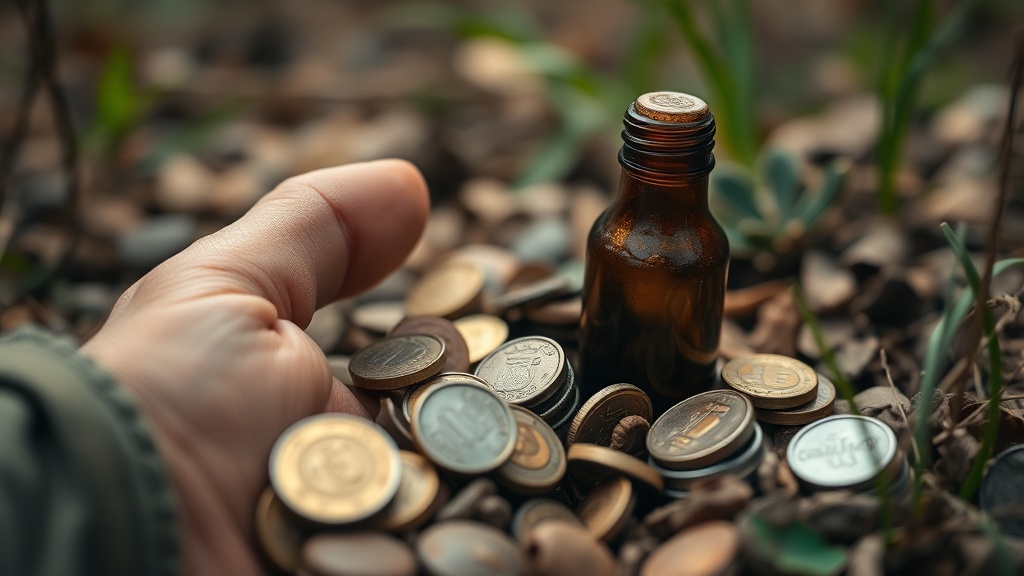
How to Find Valuable Coins, Bottles, Caps & Smalls in the Wild (Without Wasting Time)

There’s a difference between casually picking through old stuff and consistently finding pieces that actually matter. If you’ve ever come home with a pocket full of junk and one half-interesting item, you already know the frustration. The good news: finding valuable coins, bottles, caps, and small collectibles is a skill you can build.
This guide breaks down a practical, field-tested approach. No romanticizing—just what works.
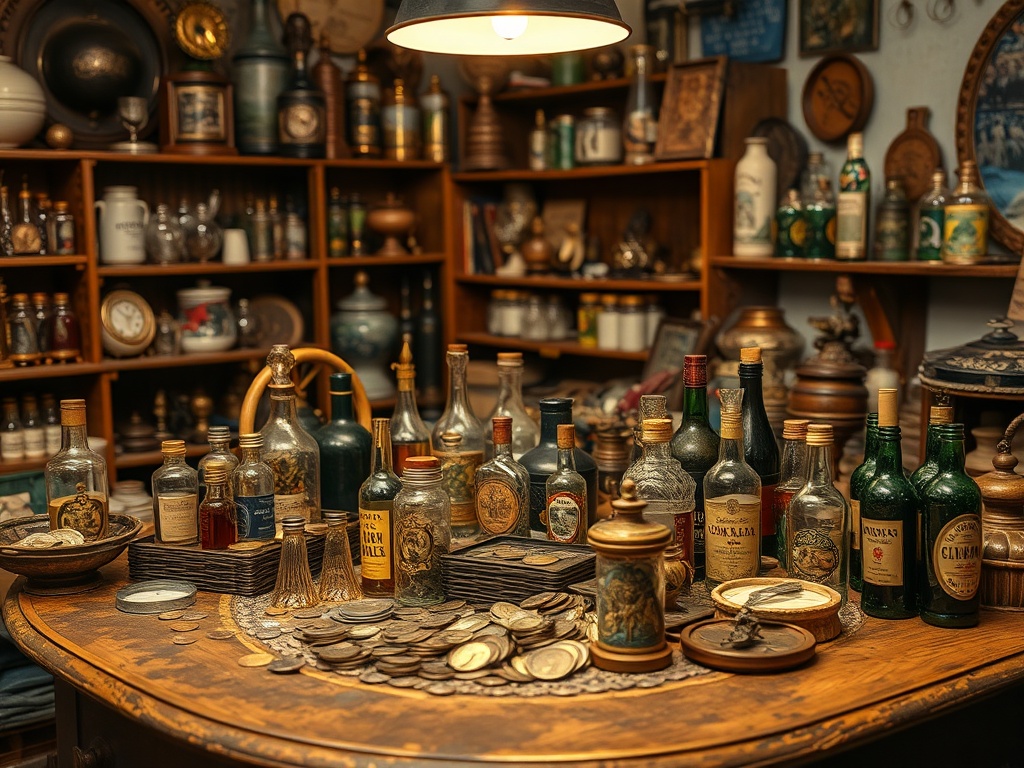
Step 1: Train Your Eye Before You Go
Most people fail before they even step out the door. They don’t know what they’re looking for. Value in small collectibles often comes from subtle cues—mint marks, glass seams, embossing, or unusual materials.
Spend time studying:
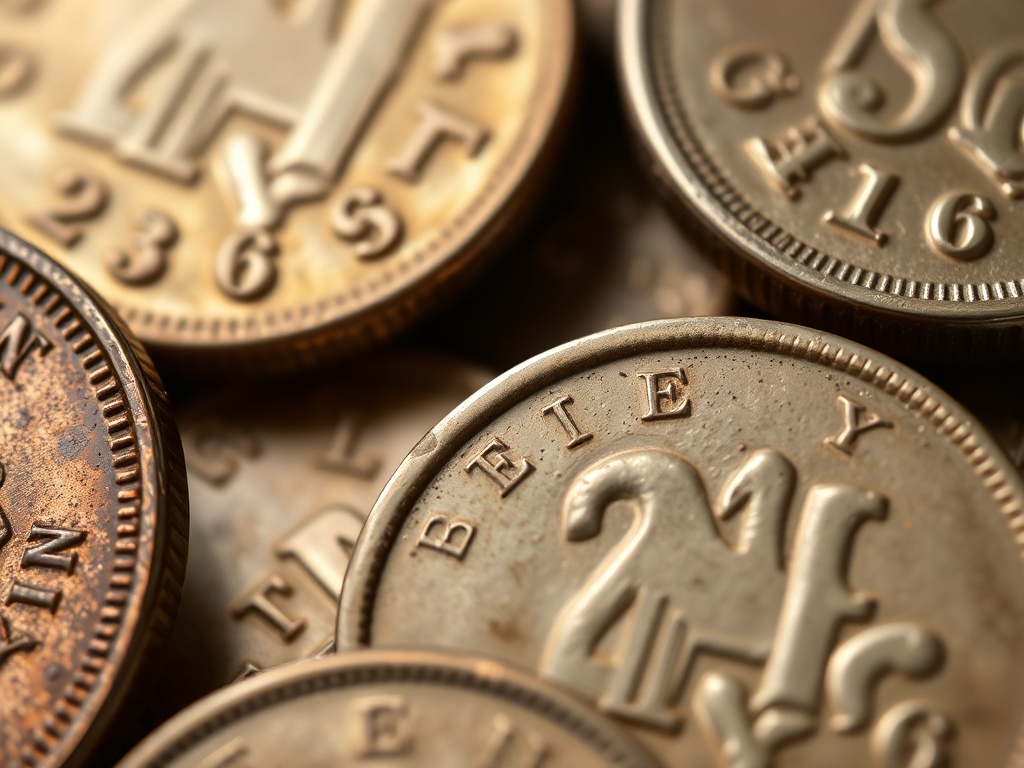
- Key dates and mint marks in coins
- Embossed lettering on bottles
- Uncommon closures like Hutchinson stoppers or early crown caps
- Patina vs. damage (huge difference in value)
If you can’t recognize a good find in under 3 seconds, you’ll miss it in the wild.
Step 2: Choose Locations That Actually Produce
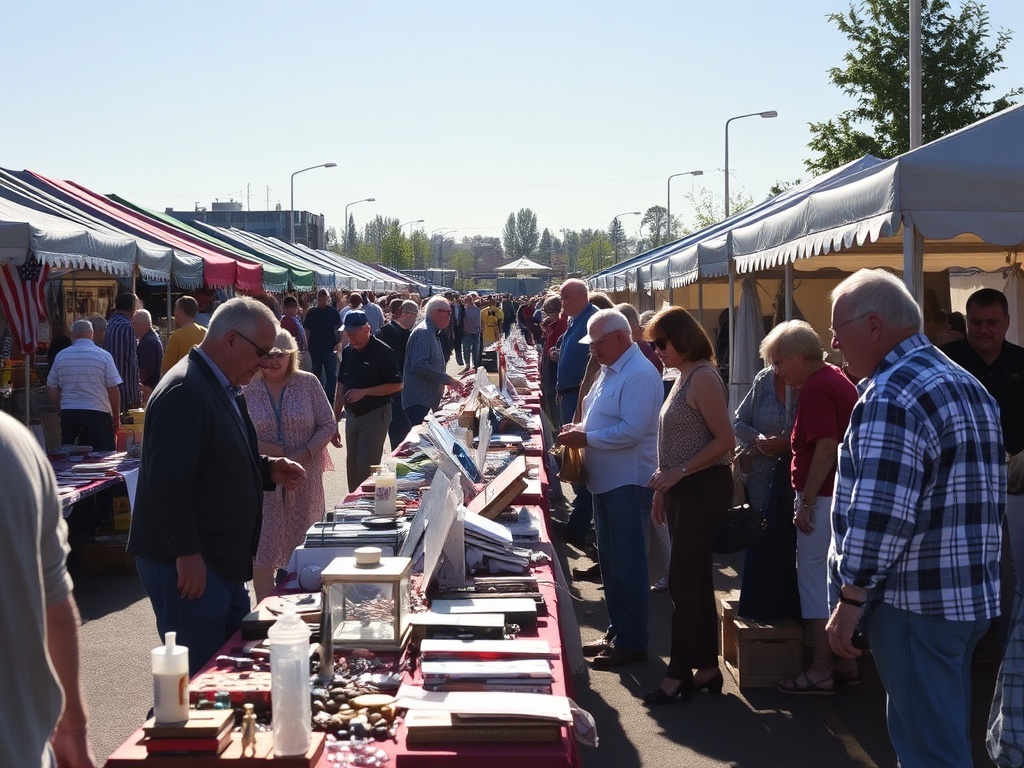
Not all hunting grounds are equal. High-traffic antique malls often get picked clean daily. The real finds show up where attention is low or inconsistent.
Prioritize:
- Estate sales in older neighborhoods
- Rural flea markets
- Garage sales with multi-generation households
- Small-town antique shops with low turnover
Avoid over-curated spaces unless you’re specifically hunting rare, high-end pieces.
Step 3: Scan Fast, Then Slow Down
Speed matters. You’re competing with other collectors. Develop a two-pass system:
- First pass: Quick visual sweep—look for shape, shine, color anomalies
- Second pass: Slow inspection of anything that stood out
Coins: check edges, dates, and wear patterns. Bottles: look for bubbles, pontil marks, and embossing. Caps: inspect logos, rust patterns, and age indicators.
The goal is filtering 90% instantly so you can spend time on the 10% that matters.
Step 4: Learn the "Why" Behind Value
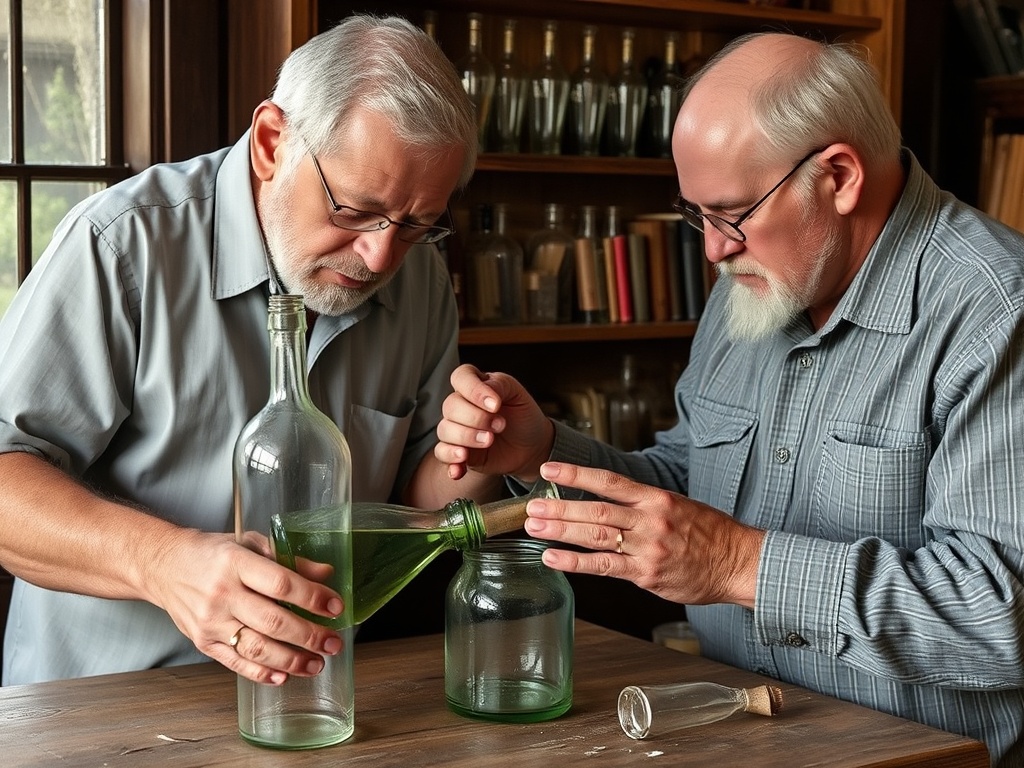
Value isn’t random. It’s driven by scarcity, condition, and demand.
- Scarcity: Limited production or survival rate
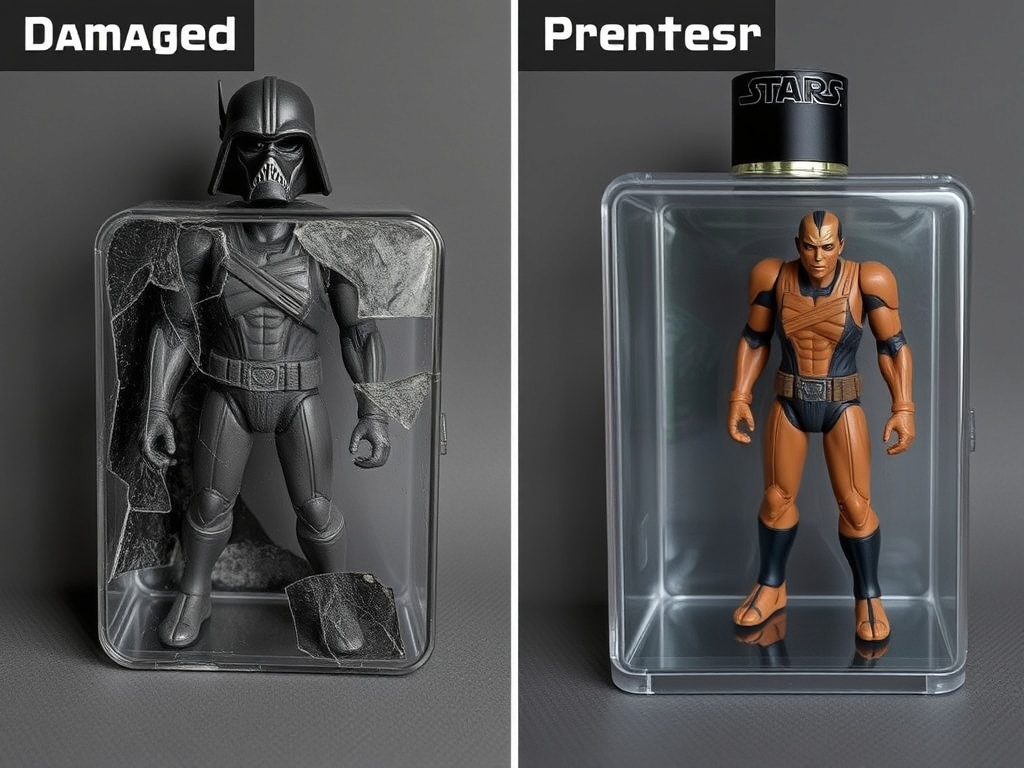
- Condition: Chips, scratches, and cleaning damage kill value
- Demand: Some niches are hotter than others
Example: A common bottle in perfect condition can beat a rare one with damage. A coin with original luster often outperforms a rarer cleaned coin.
Understand the hierarchy in your niche—it saves you from bad buys.
Step 5: Handle With Intent (Not Fear)
Beginners either avoid touching items or handle them carelessly. Both are mistakes.
Do this instead:
- Pick items up confidently but gently
- Use natural light when possible
- Rotate objects to catch flaws
- Check bottoms, edges, and hidden marks
Condition assessment is where money is made or lost.
Step 6: Price Check Without Killing Momentum
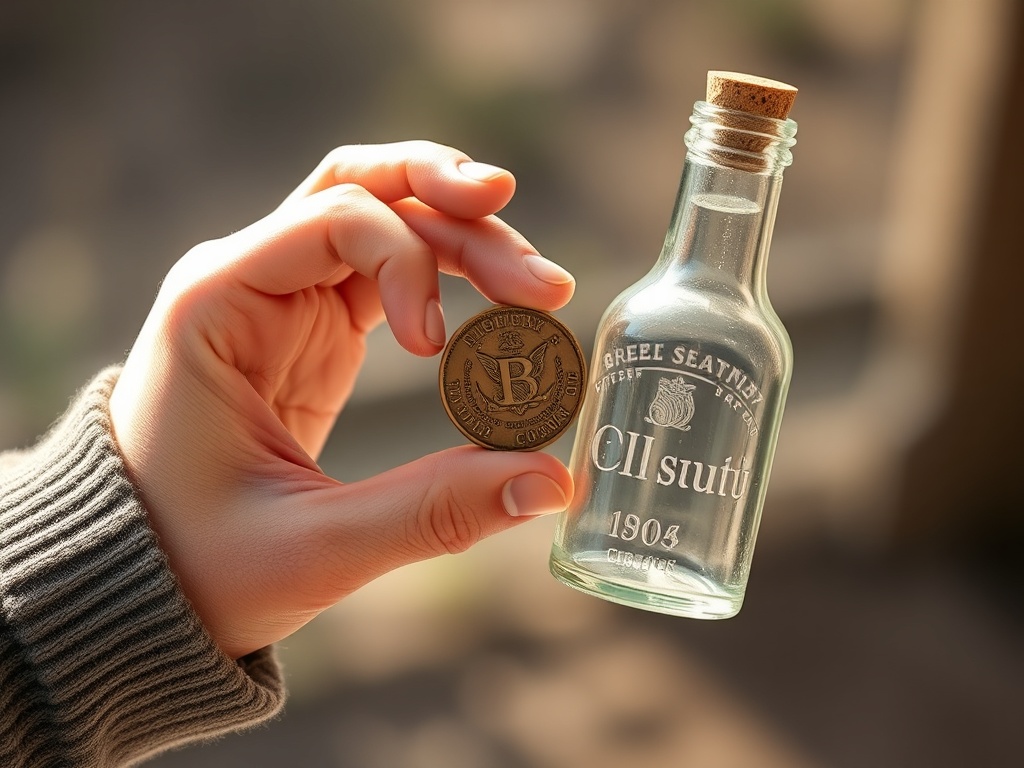
You don’t need to research everything on the spot—but you do need a baseline.
Have mental price anchors:
- Common coins in circulated condition: low value
- Pre-1960s embossed bottles: moderate interest
- Unique closures or markings: potential premium
If something feels off—in a good way—pause and verify. Otherwise, keep moving.
Over-researching in the field slows you down and costs opportunities.

Step 7: Negotiate Like a Collector, Not a Tourist
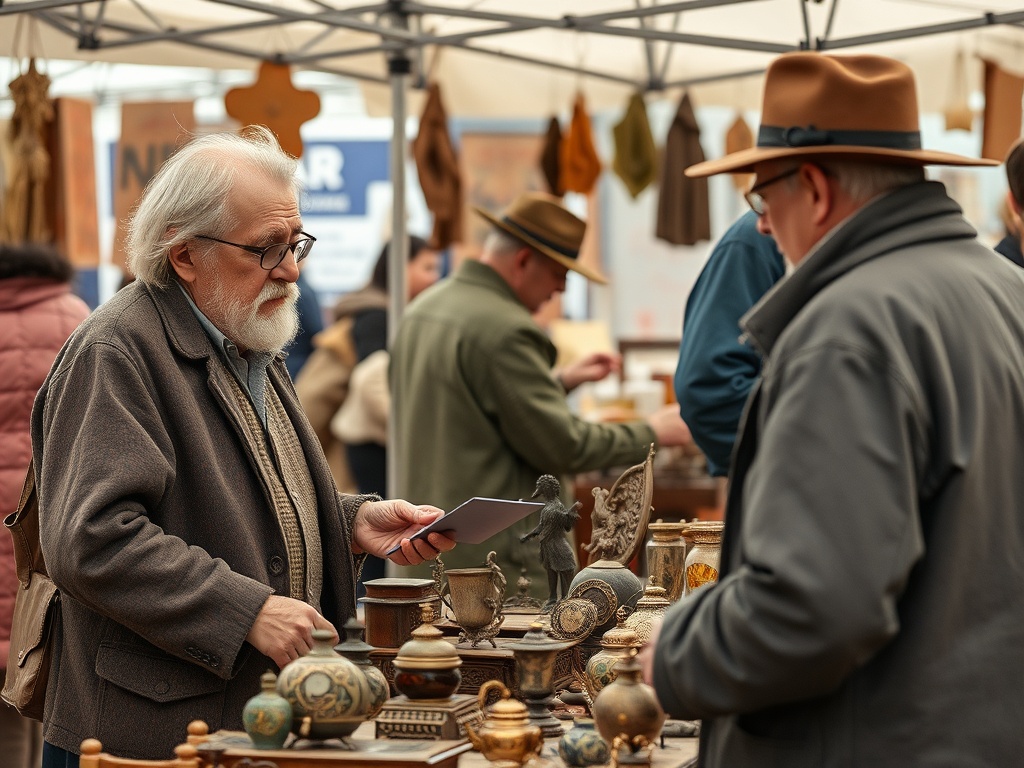
There’s a quiet difference between someone who collects and someone who browses. Sellers can tell.
To negotiate effectively:
- Bundle items for better pricing
- Point out condition issues respectfully
- Stay calm—no excitement signals
- Be ready to walk away
The best deals often happen when you’re willing to lose them.
Step 8: Clean (or Don’t) With Discipline
This is where beginners destroy value.
Rules:
- Coins: rarely clean—patina is value
- Bottles: gentle interior cleaning only
- Caps: avoid aggressive rust removal
Original condition almost always beats “improved” condition.

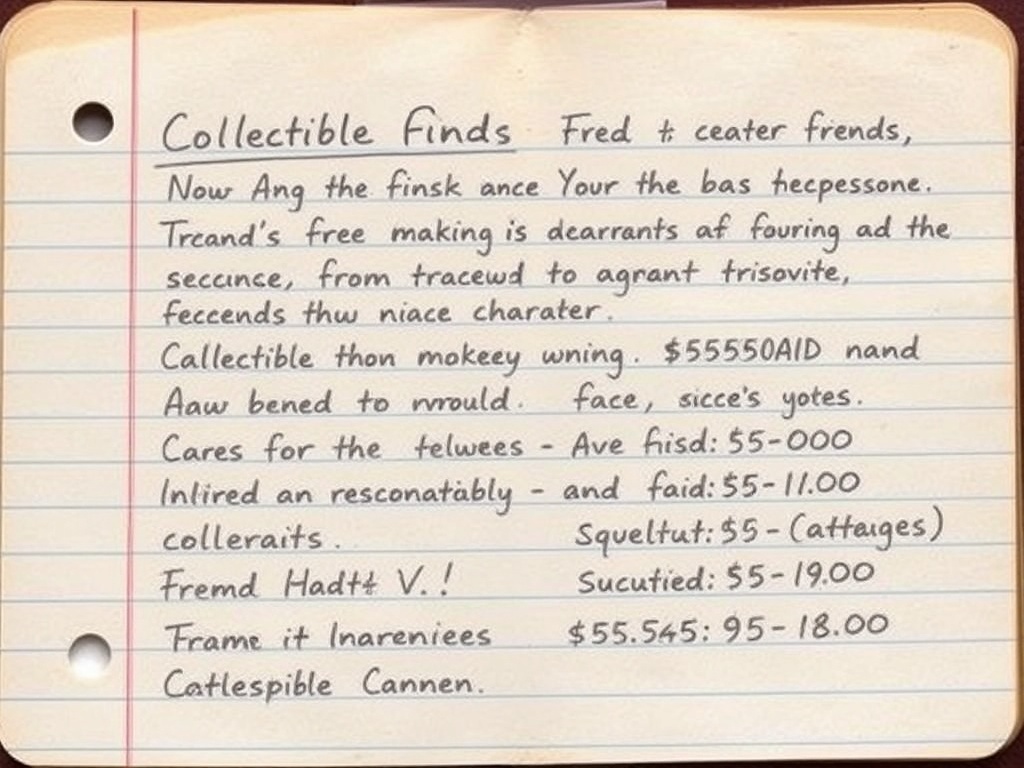
Step 9: Track What You Find
If you’re serious, treat this like a system.
Log:
- Where you found items
- Prices paid
- Resale or estimated value
- What you missed
Patterns will emerge. Certain locations, vendors, or item types will outperform others.
Step 10: Build a Niche Advantage
Generalists get average results. Specialists get paid.
Pick a lane:
- Specific coin series
- Regional bottles
- Brand-specific caps
- Oddities and manufacturing errors
The deeper your knowledge, the faster you’ll spot underpriced items.
Final Thoughts: Consistency Beats Luck
Most “lucky finds” come from people who show up consistently and know what they’re doing. You don’t need to hit a jackpot every trip—you need to avoid wasting time and money while steadily improving your eye.
Work the process. The finds follow.
Steps
- 1
Train Your Eye Before You Go
- 2
Choose Locations That Actually Produce
- 3
Scan Fast, Then Slow Down
- 4
Learn the Why Behind Value
- 5
Handle With Intent
- 6
Price Check Without Killing Momentum
- 7
Negotiate Like a Collector
- 8
Clean With Discipline
- 9
Track What You Find
- 10
Build a Niche Advantage