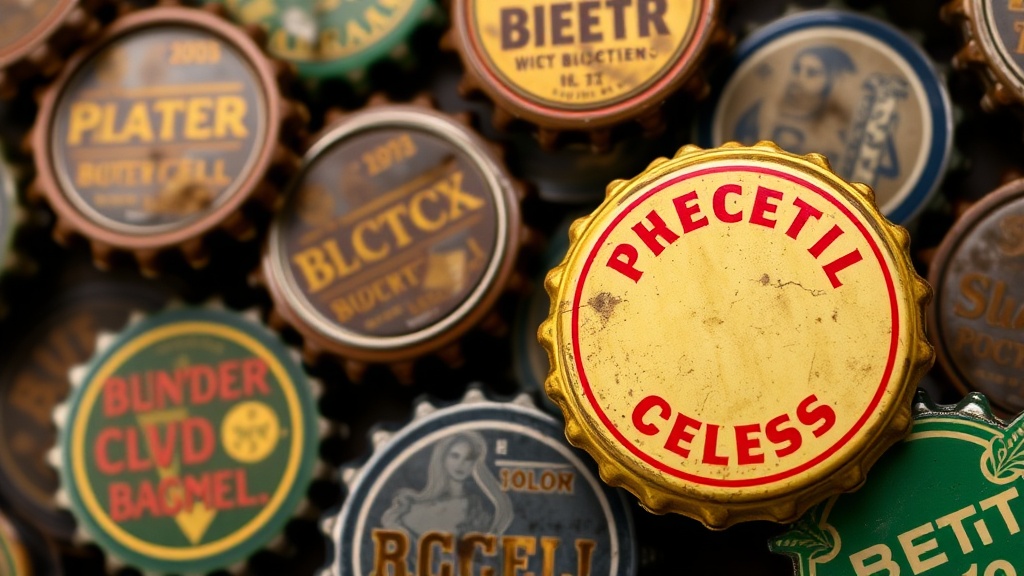
Safely Clean Vintage Bottle Caps Without Damaging Patina

Quick Tip
Always test any cleaning method on a common or duplicate cap first before applying it to rare or valuable pieces in your collection.
What's the Safest Way to Clean Vintage Bottle Caps?
Dirt and grime hide details on old caps. The wrong cleaning method strips away decades of character — and value. This guide covers gentle techniques that preserve patina while revealing the original design underneath.
Should You Clean a Bottle Cap at All?
Sometimes the answer is no. Unopened or rare caps often fetch higher prices untouched. The catch? A cap caked in rust and dirt won't photograph well or display properly.
Here's the thing: caps from the 1950s and earlier carry naturally aged surfaces that collectors prize. Aggressive scrubbing — steel wool, vinegar soaks, or power tools — turns a $20 find into a $2 disappointment. The goal isn't restoration. It's respectful cleaning.
What's the Best Method for Different Levels of Dirt?
Most caps need only warm water and mild dish soap. Fill a bowl, add a drop of Dawn Ultra, and let caps soak for ten minutes. Use a soft toothbrush (a Colgate 360° works well) to nudge debris from crevices. Rinse. Pat dry immediately with a lint-free cloth.
Worth noting: never submerge cork-lined caps. The cork absorbs water, swells, and crumbles. Instead, hold the cap upside down and brush the metal surface only. For rust spots, dab a cotton swab in Evapo-Rust — a biodegradable, non-acidic remover — and apply lightly to affected areas.
| Condition | Method | Products |
|---|---|---|
| Light dust | Dry brush only | Soft paintbrush, microfiber cloth |
| Surface grime | Warm soapy water, 10-min soak | Dawn Ultra, soft toothbrush |
| Rust spots | Targeted dab, no soaking | Evapo-Rust, cotton swabs |
| Heavy oxidation | Professional assessment | Consult a collector or conservator |
How Do You Dry and Store Caps After Cleaning?
Air-drying invites flash rust. Instead, blot each cap with a clean towel and set it on a rack — a OXO Good Grips dish rack works perfectly — with the liner side down. Run a fan nearby for twenty minutes. Store cleaned caps in BCW 2x2 cardboard flips or acid-free sleeves away from humidity.
Collectors in Winnipeg — where winter humidity swings wildly — often add silica gel packs to storage boxes. The Dry-Packs brand offers reusable canisters that last years.
Patina tells a story. Clean with care, and those vintage bottle caps stay collectible for decades to come.
Resources: BCW Supplies for archival storage, Harbor Freight for soft brushes and drying racks, Rust-Oleum for rust removal product comparisons.