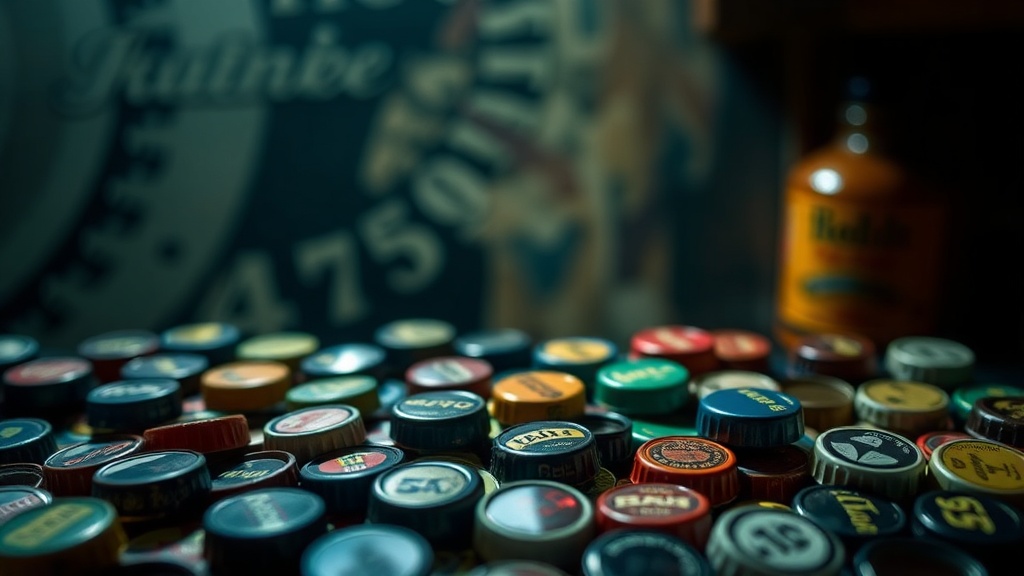
The Beginner's Guide to Starting a Bottle Cap Collection

What Do You Need to Start a Bottle Cap Collection?
You don't need much. A bottle cap collection starts with curiosity, a bit of space, and something to keep caps organized. This guide walks through every step—from finding your first caps to cleaning, storing, and understanding what makes certain caps desirable. Whether you're drawn to craft brewery designs, vintage soda advertising, or the satisfying snap of a crown cork, you'll find practical advice here that skips the fluff and gets straight to the hobby.
The beauty of this corner of collectibles is accessibility. (You likely have a few caps in a kitchen drawer right now.) Unlike stamps or coins, bottle caps don't require specialized grading equipment to begin. That said, a few simple supplies make the difference between a cluttered pile and a collection worth showing off.
Basic Supplies
- A storage system: Plastic trading card pages with pocket sleeves work surprisingly well. So do small compartment boxes—think bead organizers from Michael's or fishing tackle trays from Plano.
- Cleaning gear: Warm water, dish soap (Dawn works fine), a soft toothbrush, and a towel. That's it.
- Reference material: A magnifying glass or jeweler's loupe helps inspect small details. A smartphone camera lets you document designs before they fade.
- A logbook or spreadsheet: Track where each cap came from, the date acquired, and any notable markings. Google Sheets is free and syncs across devices.
Some collectors prefer acid-free photo albums. Others swear by Uline's small parts cabinets for sorting caps by country or beverage type. There's no single right answer—just pick a method that fits your space and your budget.
How Do You Clean and Store Bottle Caps Properly?
Clean caps gently with warm water and mild soap, then dry them immediately to prevent rust. Storage should keep them flat, dry, and out of direct sunlight. These two habits—cleaning and proper storage—protect both the metal and the printed design for years.
Here's the thing: not all caps are created equal. Cork-lined caps from the mid-20th century (think Schlitz or old regional sodas) hate moisture. Twist-off caps from modern macro brews like Miller Lite or Bud Light tend to bend easily and lose their shape if tossed in a jar. Knowing what you're handling changes how you treat it.
Cleaning by Cap Type
Modern crown corks—those crimped edges with no cork backing—can handle a brief soak. Five minutes in warm water with a drop of dish soap loosens sticky residue. A soft toothbrush scrubs away ring stains without scratching the paint. Rinse. Pat dry with a paper towel. Done.
Vintage cork-lined caps need a lighter touch. The cork can crumble, and the paper liner underneath often holds the only surviving branding. For these, skip the soak. Instead, dampen a cotton swab and spot-clean the metal top only. (If the cork falls apart, you've lost part of the artifact—so patience pays.)
Twist-off caps present their own problem. The threading weakens the skirt, so aggressive scrubbing can warp the shape. A quick rinse under the tap followed by air-drying on a dish rack usually does the trick.
Storage Methods Compared
| Storage Option | Best For | Drawbacks |
|---|---|---|
| Trading card pocket pages | Displaying sets; easy browsing | Caps can slide out if turned upside down |
| Plano tackle boxes | Sorting by country, brand, or color | Takes up more shelf space |
| Glass jars | Bulk storage of common caps | Caps stack and scratch each other; humidity risk |
| Acid-free coin albums | High-value vintage pieces | More expensive; slower to access |
Worth noting: UV light fades printed designs faster than you'd expect. A cap left on a windowsill for six months can look completely different from one kept in a drawer. If display matters to you—and for many collectors, it does—choose a spot away from direct sun or invest in UV-protective frames.
Where Can You Find Rare and Vintage Bottle Caps?
You can find rare and vintage bottle caps at estate sales, flea markets, brewery taprooms, eBay, and dedicated trading communities like the Brewery Collectibles Club of America (BCCA). Local sources often yield the most interesting stories, while online marketplaces offer access to international designs you'd never encounter otherwise.
The hunt is half the fun. A Saturday morning at a Winnipeg flea market might turn up a crate of 1960s Molson caps. A road trip through the American Midwest could land you limited releases from Three Floyds or Toppling Goliath. The catch? Condition varies wildly in the wild. Caps bought in bulk lots are often bent, rusty, or missing their liners.
Top Sources to Check
- Brewery taprooms and bottle shops: Ask staff if they save caps from limited releases. Many craft breweries—like Russian River Brewing in Santa Rosa, California, or Hill Farmstead in Vermont—produce seasonal caps that disappear quickly.
- Estate sales and auctions: Look for old home bars, garage collections, or boxes labeled "breweriana." These can hold untouched caches from decades past.
- eBay and Etsy: Search for specific brands, years, or countries. Filter by seller rating and request photos of the underside if liner condition matters to you.
- Trading with other collectors: Facebook groups, Reddit communities like r/bottlecaps, and BCCA chapters facilitate swaps. One person's duplicate Anchor Brewing cap might be your missing piece.
When buying online, pay attention to shipping. A seller who tosses 50 loose caps into a padded envelope is asking for dented disaster. Reputable sellers use small plastic bags or cardboard dividers. Don't hesitate to ask about packaging before you bid.
Are Bottle Caps Worth Anything to Collectors?
Yes, some bottle caps are worth money—but most are worth pennies. Value depends on rarity, condition, age, brand significance, and whether the design was limited or promotional. A common modern Corona cap might sell for a quarter in a bulk lot, while a pristine 1930s Coca-Cola test-market cap can fetch hundreds at auction.
Condition drives price more than many newcomers realize. Collectors grade caps much like coins: mint, near-mint, good, and poor. A cap with crisp paint, no dents, and an intact liner commands a premium. One with rust spots, bent edges, or faded graphics? Sentimental value only—or filler for a beginner's album.
What Makes a Cap Valuable?
Rarity: Limited brewery releases, commemorative editions, and caps from defunct brands top the want lists. Westvleteren caps from the Belgian Trappist brewery are scarce outside Europe. Early test prints from macro brands—before the design went national—can be goldmines.
Age: Pre-1960s cork-lined caps carry historical weight. The crown cork itself was invented in 1892 by William Painter, and early examples from the turn of the century are museum pieces.
Errors and variations: Misprints, color variations, and prototype designs fascinate advanced collectors. A Ball Corporation cap with an off-center logo or an unusual metal alloy can spark bidding wars in niche circles.
Provenance: Caps tied to a specific event—Olympic sponsorships, World's Fair promotions, or anniversary editions—often outperform generic designs. The story behind the metal matters.
A Quick Value Comparison
| Cap Type | Typical Condition | Estimated Value |
|---|---|---|
| Modern macro brew (Budweiser, Coors, Heineken) | Used, common | $0.10 – $0.50 each |
| Craft brewery limited release | Clean, unused | $1 – $5 each |
| Vintage 1950s–60s regional soda | Near-mint with liner | $5 – $25 each |
| Pre-1940s cork-lined beer or soda | Mint, rare brand | $50 – $300+ each |
Don't start this hobby expecting to fund a retirement. The real return is in the chase, the organization, and the community. That said, stumbling across a valuable cap in a $5 junk lot? That's the kind of thrill that keeps collectors sorting through bins on a Sunday morning.
How Should You Organize a Growing Collection?
Organize by whatever system you'll actually use. Popular methods include sorting by beverage type, country of origin, brewery name, color, or date acquired. The best system is the one that lets you find a specific cap in under a minute.
Many beginners start chronologically—"these are all the caps I found in 2024." It's simple and personal. As collections grow, though, most shift to categorical sorting. Alphabetical by brewery works well if you collect mostly beer. Country-based sorting makes sense for international hunters. Some collectors even arrange by design color for visual impact in display frames.
Here's the thing about organization: it's not permanent. You can re-sort. In fact, re-sorting is a classic rainy-day activity. (Just don't do it with a cup of coffee nearby—spills happen, and stained caps don't recover.)
Digital backups help, too. A simple phone photo of each cap, stored in folders matching your physical system, creates a reference catalog. If you trade or sell later, you'll have images ready. If you ever lose caps to a flood or fire, at least the record survives.
Quick Tips for Staying On Track
- Set a monthly acquisition limit. It's easy to buy 500 caps on eBay at 2 a.m. Discipline prevents overwhelm.
- Label everything. Masking tape and a Sharpie are enough. Note the date, source, and any brand details.
- Keep a "maybe" box. Not sure if a cap is worth keeping? Stash it for three months. If you don't think about it, donate or trade it.
- Join a community. The BCCA, local breweriana clubs, and online forums offer ID help, trade opportunities, and fair market insight.
Bottle cap collecting rewards attention to detail. The smallest design variation—a slightly different font on a Guinness cap, a regional code on a Pabst Blue Ribbon—can signal something worth knowing. Start simple. Stay curious. And let the caps tell their own stories.