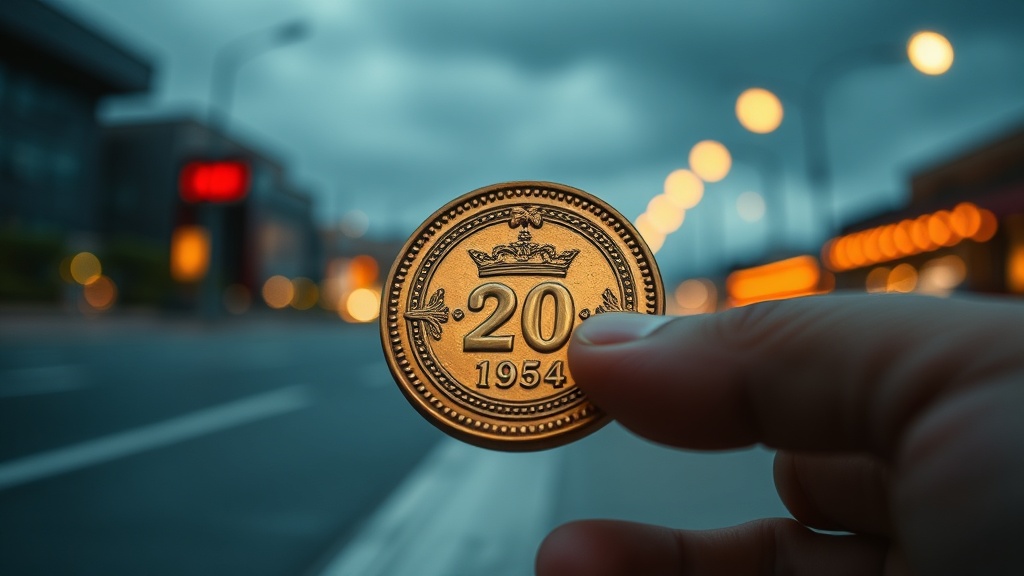
Tracing the Journey of a Rare Token

This post tracks the movement of a single high-value collector's item from its initial production through various ownership cycles to its final resting place in a private collection. You'll learn how to identify provenance, recognize the signs of professional grading, and understand the physical evidence that tracks an object's history. Understanding these markers helps you verify the authenticity and lineage of any collectible, from rare coins to vintage glass.
What is Provenance and Why Does It Matter?
Provenance is the documented history of an object's ownership that proves its authenticity and increases its market value. It isn't just a story; it's a chain of custody. For serious collectors, a piece with a documented "pedigree"—meaning it was once part of a famous collection—is often worth significantly more than a similar item with no history. If you're buying a rare coin or a piece of antique glass, the lack of provenance is a massive red flag.
Think of it like a car's service history. A vintage car with a documented logbook from the original dealership is much more desirable than one with a blank history. In the world of high-end collectibles, this documentation usually includes auction catalogs, certificates of authenticity, or even old photographs of the item in a specific setting. It's the difference between owning a "pretty bottle" and owning a "provenance-backed piece of history."
When we look at a rare piece, we aren't just looking at the object itself. We're looking at the marks left by time and previous owners. A scratch on a glass bottle might seem like damage, but if it's documented in an old auction listing, it becomes part of that item's unique identity. It’s a way to verify that the item you're holding is actually the one that was sold in 1954 at a major estate sale.
One way to verify these details is through official records. For example, many collectors use the National Archives to research historical context for items from certain eras. If your item has a connection to a specific historical event or person, these records can validate your claims.
The Physical Markers of Age and Ownership
Every item carries a physical record of its life. For glass collectors, this might be a specific type of "pontil mark" on the base. For coin collectors, it might be the specific "wear pattern" on the highest relief of the design. These aren't just imperfections—they're fingerprints of time. If you haven't looked into identifying maker's marks on antique glass, you're missing half the story.
The physical state of an item tells you about its environment. A coin that has been kept in a vacuum-sealed slab will look vastly different from one that spent thirty years in a velvet-lined wooden box. The way light hits the surface can reveal a lot. A dull patina on a copper coin suggests age and natural oxidation, while a suspiciously bright surface might mean it's been cleaned—a process that usually destroys value.
Here's the thing: a "perfect" item is often more suspicious than a "worn" one. In the world of high-end collectibles, perfection can sometimes be a sign of a modern reproduction. Real history is messy. It involves oxidation, slight abrasions, and the subtle effects of gravity and light.
How Do You Verify an Item's History?
Verification requires a combination of physical inspection, documentation review, and cross-referencing with known auction or registry data. You can't just take a seller's word for it. You need to see the paper trail or the physical evidence that supports the claim of rarity or ownership.
Start by looking for "The Paperwork." This isn't just a receipt. It's the certificate of authenticity from a reputable third-party grading service. In the coin world, companies like PCGS provide much more than just a grade; they provide a level of certainty that the item is genuine. If a seller claims an item is "original" but cannot provide any documentation, proceed with extreme caution.
Next, look at the "Physical Evidence." This is where you use your eyes and perhaps a jeweler's loupe. If a piece of vintage glass is claimed to be from the 1800s, but it has a machine-made seam that runs perfectly straight, the documentation is likely false. The physical object will always tell the truth, even if the paperwork is lying. It's much like spotting authentic vintage metal caps—the details are in the manufacturing-specific imperfections.
Finally, use "The Comparison Method." Compare the item in your hand to known examples in digital archives or museum collections. If your item has a unique mark or a specific color tint that doesn't match any known production runs, you might have found something truly special—or something that isn't what it claims to be.
| Evidence Type | What to Look For | What It Tells You |
|---|---|---|
| Documentation | Auction catalogs, certificates, old receipts. | Ownership history and provenance. |
| Physical Marks | Patina, wear patterns, maker's marks. | Authenticity of age and production method. |
| Third-Party Grading | Slabs, serial numbers, grading reports. | Standardized grade and authenticity. |
| Environmental Clues | Discoloration, surface texture, oxidation. | Storage history and previous environments. |
Common Red Flags in Provenance Claims
Be wary of any claim that sounds too good to be true. If a seller says, "My grandfather bought this in a small shop in 1920 and it's never been touched," that's a story, not provenance. A story is a narrative; provenance is a fact. Real provenance is often boring and involves several intermediate owners, auction houses, or estate sales.
Watch out for these specific red flags:
- Generic Certificates: Certificates that look like they were printed on a home inkjet printer or use vague language like "Highly Authentic."
- The "Lost History" Excuse: When a seller can't explain why a piece is rare or how it was acquired, it's often because the history is non-existent.
- Mismatched Aesthetics: A "vintage" item that looks too shiny, too clean, or lacks the expected wear of its supposed age.
- Inconsistent Documentation: A certificate that lists a date or a maker that doesn't match the physical characteristics of the item.
If you find yourself in a situation where the physical object contradicts the written story, trust the object. A piece of glass can't lie about its mold marks, and a coin can't lie about its strike. The paperwork can be forged, but the material reality of the object is much harder to fake.
How Much Does Provenance Increase Value?
The increase in value can range from 20% to several hundred percent depending on the level of the provenance. A piece that was once owned by a famous collector or was part of a landmark auction is worth vastly more than an identical piece with no history. This is because you aren't just buying the object; you're buying a piece of a larger story.
In the high-end market, the "story" is the product. For example, a rare bottle that was part of a famous shipwreck or a coin that was once in a major museum's collection carries an aura of prestige. This prestige attracts a different tier of buyers—collectors who aren't just looking for a specimen, but for a legacy. This is why professional grading and documented history are so vital for long-term investment.
That said, you must be careful not to overpay for "unverified" provenance. A collector's anecdote is not a guarantee of value. If you're investing in collectibles, always prioritize items with verifiable, third-party-backed histories. It's the only way to ensure that the value you're paying for actually exists when it comes time to sell.
Ultimately, tracing the journey of a rare item is about respect for the object's life. Whether it's a small token or a large piece of glassware, every mark, every scratch, and every document tells a part of its story. As a collector, your job is to be a historian, an investigator, and a guardian of that history.