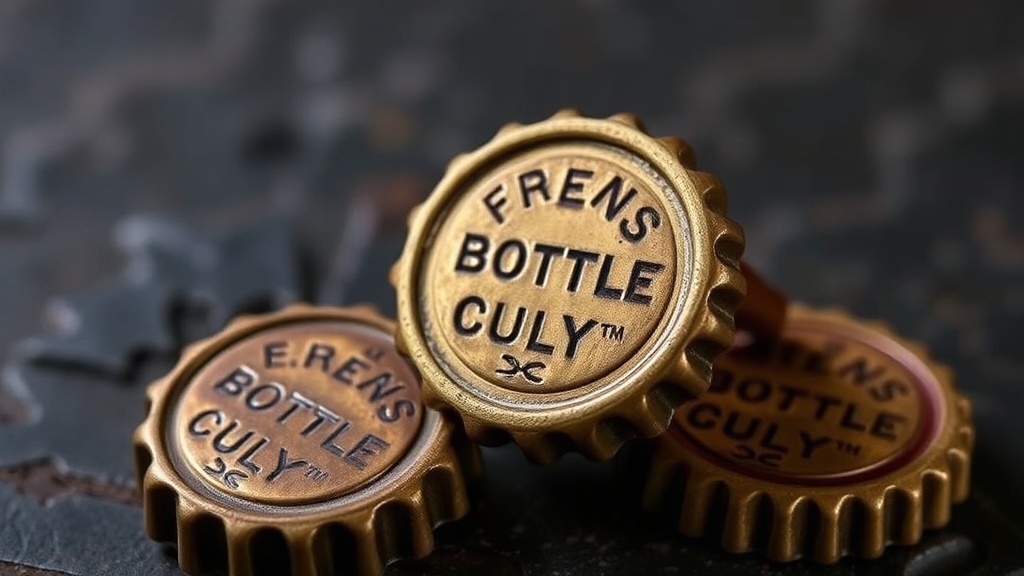
Identifying Rare Variations in Antique Metal Bottle Caps

Have you ever found a rusted piece of metal in a junk bin and wondered if it was just junk or a hidden gem? Identifying rare variations in antique metal bottle caps requires a keen eye for detail, specifically regarding material composition, rim design, and printing techniques. This guide breaks down the specific physical markers that separate a common piece of trash from a high-value collector'ic item.
Most collectors start by looking at the obvious, but the real value often lies in the small things. A slight change in the way a crimp looks or a specific color of ink can change the price tag significantly. It's easy to overlook these details without a systematic approach.
What Makes a Metal Bottle Cap Rare?
A metal bottle cap becomes rare when it features a unique combination of a limited production run, a specific manufacturing error, or a defunct brand logo. While most modern caps are mass-produced with high consistency, antique versions often show variations in the metal alloy or the way the crown was crimped onto the bottle neck.
The first thing you need to look at is the material. Before the mid-20th century, many caps were made of different metal blends than what we see today. You might find variations in tin, steel, or even copper-plated finishes. These materials react to time differently, and certain oxidation patterns can actually confirm the age of the piece.
Then there is the printing. Early metal caps often used lithography, which produces a much sharper and more vibrant image than modern printing. If you see a cap with a "misprint" where the text is slightly offset or the color is bleeding, don't throw it away—that might be exactly what you're looking for. Collectors pay a premium for these errors. It’s a bit of a gamble, but that's the fun of the hunt.
To get a better handle on the basics before diving into the deep end, you might want to check out the complete guide to vintage bottle cap collecting in 2024. It sets a great foundation for understanding general value.
Key Variation Markers
When you're examining a collection, you should look for these specific physical traits:
- Rim Style: The number of teeth or crimps on the edge of the cap.
- Ink Depth: How much the color sits on the surface versus being printed into the metal.
- Metal Weight: Heavier, thicker metal often indicates an older, more substantial manufacturing process.
- Logo Variations: Small changes in font or a different version of a brand-name logo (like an older Coca-Cola or Pepsi design).
How Do You Identify an Authentic Vintage Metal Cap?
You can identify an authentic vintage metal cap by checking for consistent oxidation and the presence of specific manufacturing marks that modern replicas lack. Genuine antique caps rarely have the perfect, uniform finish of a modern reproduction; they show signs of real age, such as localized pitting or a specific type of patina that develops over decades.
One way to check is to look at the underside. Most vintage caps have a distinct center indentation or a specific pattern of crimping that was standard for the era. If the underside is perfectly smooth or looks like it was made by a modern high-speed machine, it's likely a modern copy. (Note: This doesn't mean it's a fake, but it might not be the "antique" you think it is.)
Another trick is to look at the edges. Authentic older caps often have slightly uneven crimping. A modern machine is too perfect. If you see a cap with a very "clean" or uniform edge, it's likely a much later production. You can research more about historical manufacturing standards on Wikipedia to see how industrial processes evolved.
It's worth noting that many "repro" items are made to look old, but they often fail the texture test. Real age creates a certain grit. If the metal looks too shiny or the "rust" looks painted on, be skeptical.
| Feature | Common/Modern Cap | Rare/Antique Variation |
|---|---|---|
| Material | Thin, uniform steel | Thicker tin or copper-plated alloys |
| Printing | Digital or high-speed offset | Early lithography (vibrant, textured) |
| Edge/Rim | Perfectly uniform crimping | Irregular or heavy-set crimps |
| Patina | Surface-level paint wear | Deep oxidation or structural aging |
How Much Are Rare Metal Bottle Caps Worth?
The price of rare metal bottle caps varies wildly, ranging from a few dollars for a common vintage cap to hundreds or even thousands for extremely rare errors or defunct brand emblems. Value is driven by the intersection of scarcity, demand, and the physical condition of the item.
Here is the reality: a "rare" cap is worthless if nobody wants it. A cap from a local brewery that only existed for two years in a small town in 1920 might be rare, but if there are no collectors for that specific region or era, the value stays low. On the other hand, a common brand like Coca-Cola with a very specific, early-era error can fetch a high price because the demand is massive.
Condition is everything. A cap with a perfectly intact logo and no rust is worth significantly more than one that has been heavily weathered. However, in the world of metal caps, a little bit of "character" (meaning light oxidation) is often expected. If the metal is actually crumbling or the structural integrity is gone, the value drops to nearly zero. That said, some collectors actually hunt for "distressed" looks, though that's a niche subset.
If you're looking for a baseline, check auction sites or specialized collector forums. You'll see that a standard vintage cap might sell for $5, but a highly sought-after 19th-century variation can hit much higher marks. It’s a steep learning curve.
Factors Influencing Price
- Brand Recognition: High-profile brands (Coca-Cola, Pepsi, Dr. Pepper) generally have higher ceilings for value.
- Era: Pre-1940s items are generally more desirable than mid-century items.
- Error Type: Misprinted text, color shifts, or asymmetrical logos.
- Physical Integrity: Lack of dents, heavy rust, or crushed edges.
The catch? Most people assume a "rusty" cap is a "valuable" cap. It isn't. Rust can actually destroy the value of the metal and the printed image. You want a cap that looks like it has aged gracefully, not one that has been sitting in a damp basement for fifty years.
If you're also into different types of containers, you might find interest in digging up history with antique bottles. The principles of age and material identification are surprisingly similar when you're looking at glass versus metal.
Don't forget to check the weight. A heavy, substantial feel in the hand often points to an older manufacturing process. If it feels light and flimsy, it's likely a modern production. This is one of the quickest ways to weed out the low-value items during a bulk find.
When you are out in the field—whether that's an estate sale or a flea market—bring a small magnifying glass. It's not overkill. Being able to see the actual grain of the print or the way the metal is crimped can save you from making a bad investment. It's the difference between buying a piece of junk and buying a piece of history.
Always keep your finds in a dry environment. Moisture is the enemy of metal. If you find a great piece, get it into a protective sleeve or a dry display case immediately. This prevents the very oxidation that can turn a high-value find into a worthless piece of scrap metal.