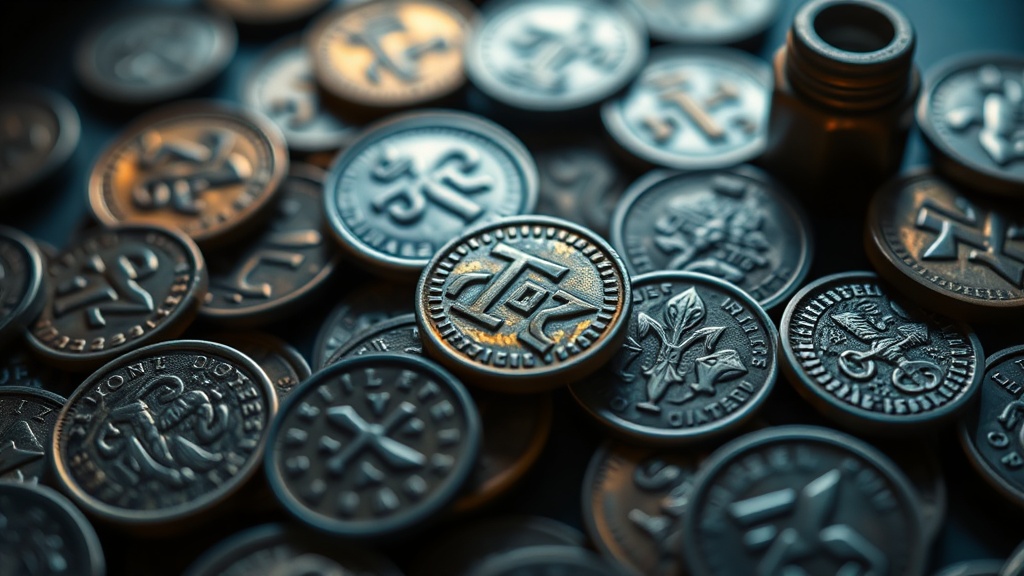
Cleaning Vintage Metal Tokens Safely Without Losing Value

Many collectors believe that a shiny, bright token is always more valuable than a dull, tarnished one, but that's a dangerous mistake. In the world of vintage metal tokens—whether they are brass transit tokens, copper trade tokens, or nickel-plated arcade pieces—the patina is often what proves authenticity and age. This post explains how to remove surface grime and dirt without stripping away the original surface or destroying the collector value of your items.
Should I Clean My Vintage Tokens?
You should only clean a vintage token if the goal is to remove loose debris or dirt that isn't actually part of the metal's surface. If the "dirt" is actually a deep patina or oxidation, cleaning it will almost certainly lower the item's market value. Collectors generally prefer an original, untouched surface over a shiny, "cleaned" surface that has been scrubbed of its history.
Think about it this way: a bright, polished copper token often looks like it was made yesterday. A dull, darkened copper token looks like it has lived through a century of history. Most serious buyers want that history. If you scrub a token until it shines, you're often stripping away the very thing that makes it a genuine antique.
Here is a quick rule of thumb for your collection:
- Loose Dirt: Safe to clean (dust, sand, loose grime).
- Patina/Oxidation: Do not touch (the dark layer or colorful oxidation).
- Corrosion/Rust: Proceed with extreme caution (this can be tricky).
If you are working with metal bottle caps or small metal-based collectibles, the same rules apply. A clean surface might look nice on a shelf, but it can ruin the "soul" of the piece. If you've been identifying rare variations in antique metal bottle caps, you've likely noticed how much the surface texture matters to the overall aesthetic.
How Do I Remove Grime Without Damaging the Metal?
The safest way to clean a vintage token is to use a mild, pH-neutral soap and warm water. This method removes surface contaminants without reacting with the metal itself.
Avoid using harsh chemicals or abrasive tools. I've seen people use Brasso or even toothpaste to try and make a token look "new," and it's heartbreaking to see the results. Those products are abrasive and will leave microscopic scratches that are visible under a magnifying glass. Once those scratches are there, they're permanent.
Follow this step-by-step process for a safe soak:
- The Dry Test: Gently blow on the token. If the dust flies off, it's just loose debris. If it stays, it's part of the surface.
- The Mild Soak: Fill a small container with lukewarm water and a few drops of a gentle dish soap like Dawn. Avoid anything with lemon or citrus-based acids.
- The Wait: Let the token soak for 10 to 15 minutes. Don't leave it overnight; prolonged exposure to water can actually start the oxidation process in some metals.
- The Gentle Rinse: Rinse with distilled water. Using distilled water is a pro tip because it doesn't contain the minerals found in tap water that can leave new spots or streaks.
- The Dry: Pat the token dry with a soft, lint-free microfiber cloth. Never rub. Rubbing is the enemy of a preserved surface.
If you're dealing with a particularly stubborn piece of grime, you can use a very soft toothbrush. Use a circular motion with almost zero pressure. If the grime doesn't come off with a light touch, leave it alone. It's part of the piece now.
For more on how to display these items once they are clean, check out my guide on building a reliable display for your antique glass and ceramics. While it focuses on glass, the principles of keeping your collection clean and dust-free are identical.
What Are the Risks of Using Chemical Cleaners?
Chemical cleaners can cause permanent damage by stripping the metal's protective oxidation layer or by causing "bronzing" and discoloration. Most commercial metal polishes are designed to be aggressive, which is the exact opposite of what a collector wants.
Here is a breakdown of common materials and why you should be careful with them:
| Metal Type | Common Reaction to Chemicals | Risk Level |
|---|---|---|
| Copper | Turns bright pink or develops green "verdigris" | High |
| Brass | Loses its golden hue and becomes "chalky" | Medium |
| Silver/Nickel | Can cause permanent pitting or scratches | High |
| Iron/Steel | Accelerates rusting if not dried perfectly | Very High |
It's worth noting that even "natural" cleaners like vinegar or lemon juice are highly acidic. If you dip a copper token in vinegar, you might get a shiny result for a few minutes, but the acid will eat into the metal and leave it looking sickly and uneven. It's a trap. You might think you're winning, but you're actually devaluing the item. Patina is a natural shield, and once you strip it, the metal is exposed to the elements more aggressively.
If you find yourself wanting to use a specialized product, stick to things that are non-abrasive. However, my advice is to stay away from the chemical aisle entirely. If a token is truly dirty, soap and water are your best friends. If it's a heavy-duty industrial part, that's a different story, but for a collectible, less is always more.
One thing I've learned through years of collecting is that the "perfect" looking item is rarely the most valuable one. If you're ever in doubt, just leave it alone. A bit of grime is a small price to pay for preserving the integrity of a piece. If you're worried about how it looks in your collection, focus on your display instead. Lighting can change the perception of a piece more effectively than a harsh cleaning ever could. You might find it helpful to read about lighting your collection for maximum impact to see how much a little bit of light can do for a dull-looking token.
Always remember: you can't un-clean a token. Once that surface is gone, it's gone forever. Take your time, be patient, and treat your pieces with the respect their history deserves.
Steps
- 1
Assessment of Material
- 2
Mild Soap Solution Preparation
- 3
Gentle Manual Cleaning
- 4
Drying and Final Inspection